Local SEO for Home-Based Businesses: Hide Your Address or Not?
Run your business from home? Here's when Google wants your address hidden, what service areas really do, and how local SEO works without a storefront.
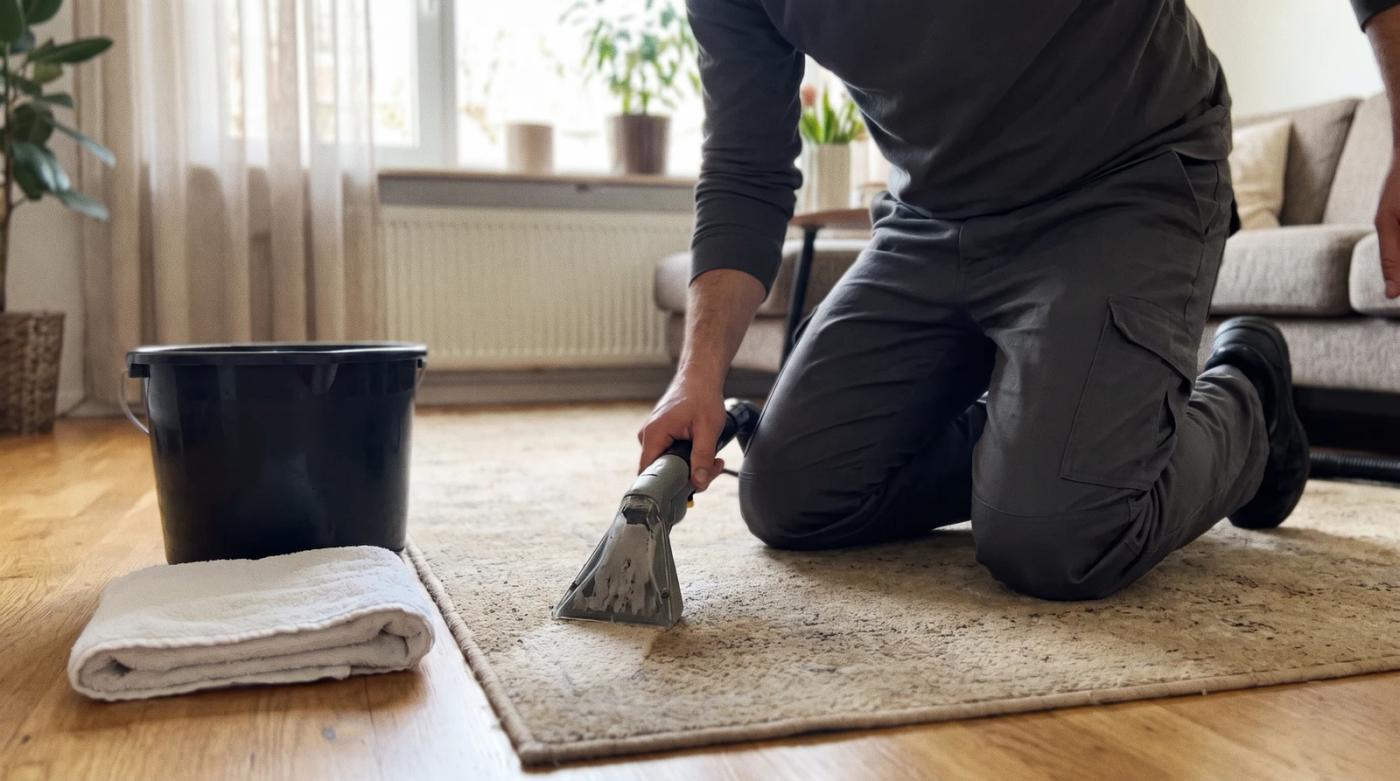
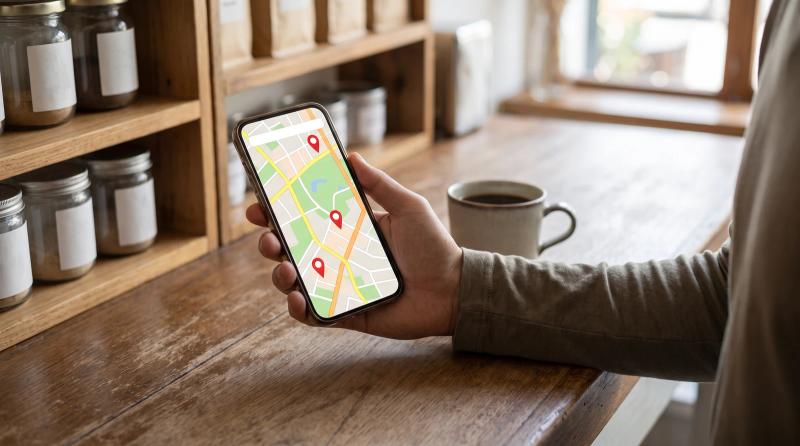
Picture a carpet cleaner's doorbell ringing at 7 a.m. on a Saturday. A customer found him on Google Maps, saw an address and figured it was the shop. It's his house, and his kids are still asleep.
That's usually when owners start asking about local SEO for home-based businesses. Should your address show on Google? Will hiding it hurt your rankings? And what do those service areas actually do?
We had to work this out early. Review Monster's founder runs a junk removal company in Idaho, which is about as far from a storefront as a business gets, and his own profile was the first one we set up. Here's what we've learned since then.
What Google wants from a home-based business
This is less of a judgment call than people think. Google's guidelines are pretty clear on it.
If you go to your customers and they don't come to you, Google calls you a service-area business. That covers plumbers, roofers, mobile groomers, house cleaners and junk haulers. Google wants you to remove the address from your profile and set service areas instead.
If customers do visit you during business hours, and someone's there to greet them, you show the address. Think of a dentist, a salon or an auto shop.
Some businesses are a bit of both. Say you run a landscaping supply yard where people come to pick up mulch, and you also do installs at their homes. You can show the address and add service areas too.
What you can't do is list a PO box, or a virtual office you never set foot in, so it looks like you have a storefront somewhere better. That's one of the quickest ways to get a profile suspended.
Does hiding your address hurt local SEO?
We hear this one more than any other. The honest answer is no, at least not the way people worry it will.
Google still knows where you are when the address is hidden, because you verified the profile with it. From what we've seen, and from what most people who do this for a living will tell you, Google still uses that hidden location to work out how close you are to the person searching.
So a plumber who works from home doesn't drop off the map just because the address isn't showing. You can still show up in the map pack. You just appear as a business that covers an area, not as a pin on a street.
The owners who get burned usually went the other way. They left the home address showing because they thought it helped, and Google flagged the profile because it didn't match how the business really runs. A suspension does far more damage than a hidden address ever will.
Heads up: Changing your address settings can trigger a new verification, and these days that's often a short video. Be ready to show your tools, your work gear and something that proves you run the business, like a license or a branded invoice. Have it lined up before you touch anything, or your profile can sit in limbo while you scramble.
What service areas really do (and don't)
This is the part nobody likes to hear. Adding 20 cities to your service area won't get you ranking in all 20.
Service areas mostly tell customers where you'll go. Google lets you add up to 20, and its guidelines say the area shouldn't stretch much past a two-hour drive from where you're based.
Rankings still lean hard on distance, though. A roofer on one side of a metro area is going to struggle to show up in the map pack for a town 45 minutes away, whatever the service area box says.
So how do you reach those farther towns? Mostly through your website. A real page about the work you do there, with photos from actual jobs and reviews from people who live there, gives Google something to go on. A page with the city name swapped in doesn't.
Make your other listings match
Once the address is hidden on Google, your other listings should match wherever they can. Most of the big directories, Yelp and Bing included, let a service-area business hide its street address.
You want your business name, phone number and service area to read the same everywhere. If your home address is hidden on Google but showing on four directories, that's a mixed signal. It also puts your house right back out there for anyone to find.
Local SEO for home-based businesses, day to day
Once the address question is settled, the work looks a lot like it does for everyone else. The difference is that there's no storefront quietly doing some of it for you.
Reviews carry a lot of weight here. A house cleaner with no sign on a building needs some other proof that she's real, and a steady run of recent reviews is that proof.
Ask every customer right after the job, while they're still happy. Don't pick and choose who gets asked, and don't offer a discount or anything else in exchange. Google bans both, and the FTC's fake review rule can put fines behind it.
Photos help too. Before-and-after shots from real jobs, your crew at work and your equipment all show people there's an actual business behind the listing.
Pick your categories carefully, too. Your primary category does more for you than almost anything else on the profile, and "Drain Cleaning Service" and "Plumber" don't always show up for the same searches.
The bottom line
If customers don't come to your house, hide the address. You won't disappear from the map, and you'll stay on the right side of Google's rules.
Think of service areas as a note for customers, not a way to rank. Your time is better spent on reviews, photos and honest town pages.
Yes, we'd love to help. If you'd rather hand off the profile, the listings and the review requests while you're out on jobs, that's what we do at reviewmonster.com. But if you do it all yourself, getting the address question right is a good place to start.
Want help with local SEO?
Review Monster runs your review requests, listings and website in the background, so you can stay on the job.